Embarking on a legal career is an exciting yet challenging journey. Law students often find themselves navigating a complex landscape filled with numerous paths and opportunities. This comprehensive guide aims to provide a clear roadmap to help law students make informed decisions, build essential skills, and strategically plan their careers. Whether you’re just starting law school or preparing to enter the workforce, understanding the dynamics of the legal industry is crucial for long-term success.
The legal profession is continuously evolving, influenced by economic shifts, technological advancements, and changing client needs. In 2024, the legal market is characterized by a nuanced hiring environment with a high demand for specialized practice areas like labor and employment, data privacy, and cybersecurity. This evolving landscape requires law students to stay informed about industry trends and adapt to new opportunities and challenges.
This article will provide an in-depth look at how law students can navigate their careers, from building a strong academic foundation to exploring alternative legal careers. We will also discuss the importance of internships, the recruitment process, essential skills development, and maintaining a work-life balance. By the end of this guide, you will have a comprehensive understanding of how to strategically plan your legal career.
Understanding the Legal Landscape
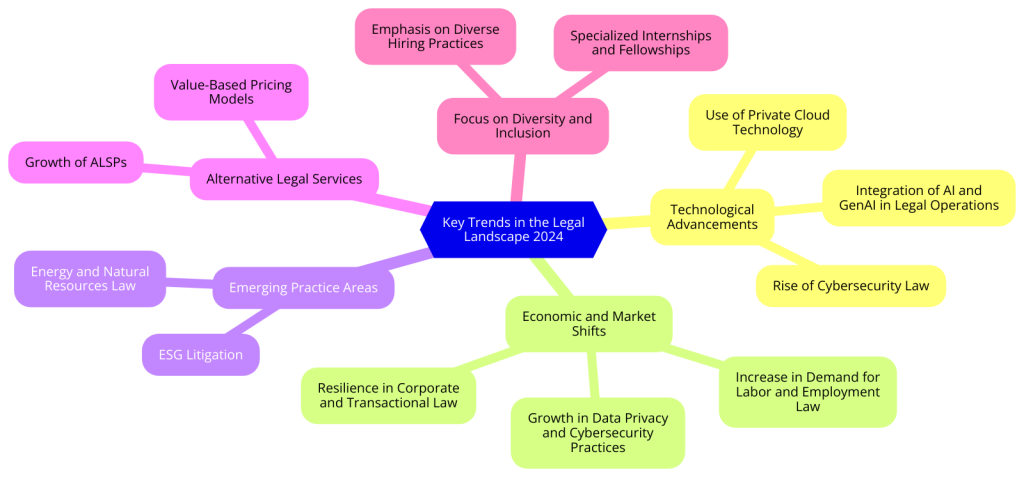
The legal industry is experiencing significant changes, with various factors influencing the market dynamics. The demand for legal services in specific areas, such as labor and employment, data privacy, cybersecurity, restructuring, intellectual property, and litigation, remains high. These practice areas have shown consistent demand, presenting promising avenues for lawyers in these specialties.
Economic recovery and technological advancements have reshaped the legal market, creating new opportunities and challenges. For instance, the corporate and transactional sectors, after facing setbacks, are showing signs of revival. Recent mergers and acquisitions (M&A) activity data suggests an optimistic outlook for 2024, indicating potential opportunities for lawyers specializing in corporate and transactional law.
Furthermore, regional growth opportunities are emerging, with cities like Philadelphia and San Francisco experiencing increases in partner moves. This trend points towards resilient and adapting legal landscapes, where new avenues are opening up for forward-thinking lawyers. Law students should stay informed about these trends and consider how they align with their career goals.
Building a Strong Academic Foundation
A solid academic foundation is crucial for a successful legal career. Law students should prioritize their studies and aim for high grades, particularly in their first year. Academic performance often plays a significant role in securing internships, clerkships, and job offers. High grades demonstrate a student’s commitment and capability, which are essential qualities in the legal profession.
In addition to academic excellence, law students should engage in extracurricular activities that enhance their legal skills. Participating in moot court competitions, joining law societies, and contributing to legal journals are excellent ways to develop critical thinking, research, and writing skills. These activities also provide valuable networking opportunities with peers and professionals in the legal community.
Moreover, law students should seek opportunities to attend workshops, seminars, and conferences. These events offer insights into current legal issues, trends, and best practices. They also provide a platform for students to engage with experienced professionals, ask questions, and gain practical knowledge. Building a strong academic foundation involves a combination of excellent academic performance and active engagement in extracurricular and professional development activities.
Maximizing Internship Opportunities
Internships are critical for gaining practical experience and networking within the legal community. They provide hands-on learning opportunities, from conducting legal research and drafting documents to client interactions and court proceedings. Law students should seek internships that align with their career goals and offer exposure to their preferred practice areas.
Internships also allow students to develop essential practical skills. For example, interns learn to conduct precise legal research, draft intricate documents, and interact with clients professionally. These experiences are invaluable in understanding the day-to-day responsibilities of a legal practitioner and honing the skills necessary for success in the field.
Furthermore, internships are excellent opportunities for networking. Building relationships with mentors, attorneys, and industry peers can open doors to future job opportunities and provide ongoing career guidance. Law students should actively participate in firm events, seminars, and social gatherings to foster these connections. Maintaining contact with colleagues and mentors after the internship can lead to lasting professional relationships that benefit one’s career in the long run.
Navigating the Recruitment Process
The recruitment process for legal positions can be highly competitive. Many law firms participate in pre-recruitment and on-campus interviews (OCI). Pre-recruitment offers job security and reduces the stress associated with traditional recruitment, while OCI allows students to explore various firms and practice areas.
Pre-recruitment involves accepting job offers before the traditional recruitment season. This process provides early job security and allows students to focus on their coursework and career development without the distraction of job applications and interviews. It also helps students build strong connections with their future employers from the start.
On-campus interviews (OCI) are structured and formalized interview programs organized by law schools. OCI allows students to interview with a wide variety of law firms within a set timeframe. This process exposes students to different practice areas, firm cultures, and locations, helping them make informed decisions about their career paths. It also allows students to receive multiple job offers simultaneously, enabling them to compare and choose the best fit for their interests and career goals.
To navigate the recruitment process successfully, law students should start their job search early, prioritize their grades, and network strategically. Attending firm-sponsored events, connecting with former summer associates, and engaging with legal recruiters are effective ways to build connections and gain insights into potential employers. Additionally, maintaining a professional presence both online and offline is crucial for making a positive impression on prospective employers.
Developing Essential Skills
Beyond academic knowledge, law students must develop a range of skills to succeed in their careers. Critical thinking, effective communication, and strong research abilities are fundamental. Additionally, mastering negotiation, analytical skills, and time management are crucial for handling the demands of legal practice.
Continuous learning and professional development are essential for staying competitive in the legal field. Law students should seek opportunities to attend workshops, seminars, and advanced courses to enhance their skills and stay abreast of legal trends and developments. For instance, understanding the implications of new laws and regulations, technological advancements, and global legal trends can provide a competitive edge.
Furthermore, building strong relationships with colleagues and clients is vital for long-term success. Law students should cultivate a reputation for excellence, integrity, and reliability. Effective communication and interpersonal skills are crucial for building trust and rapport with clients and colleagues. Demonstrating empathy and understanding clients’ needs can significantly enhance client relationships and lead to successful legal practices.
Exploring Alternative Legal Careers
While many law students aspire to join large law firms, there are diverse career paths within the legal profession. In-house counsel positions, public interest law, government roles, and academic careers offer fulfilling alternatives. Law students should remain open to various opportunities and consider how their skills can be applied in different settings.
In-house counsel positions involve working directly for corporations, providing legal advice on a wide range of issues. These roles offer the opportunity to work closely with business leaders and influence corporate decisions. Public interest law focuses on serving the public good, often through non-profit organizations or government agencies. This career path can be highly rewarding for those passionate about social justice and community service.
Government roles in the legal field include positions as prosecutors, public defenders, and legal advisors for various government agencies. These roles offer unique challenges and opportunities to impact public policy and administration. Academic careers involve teaching law at universities and conducting legal research. This path is ideal for those who enjoy mentoring students and contributing to legal scholarship.
Exploring alternative legal careers requires networking with professionals in these areas, seeking internships or clerkships that provide relevant experience, and considering additional education or certifications to enhance one’s qualifications. Staying open to diverse career opportunities can lead to a fulfilling and successful legal career.
Balancing Work and Personal Life
Achieving a work-life balance is crucial for long-term career satisfaction. The demands of the legal profession can be intense, but it’s essential to prioritize mental and physical health. Setting boundaries, managing time effectively, and seeking support from mentors or counselors can help maintain a healthy balance between professional and personal life.
Law students and legal professionals should learn to set boundaries to avoid burnout. This involves managing workloads, delegating tasks when possible, and ensuring time for personal interests and relationships. Prioritizing mental and physical health through regular exercise, healthy eating, and sufficient rest is vital for maintaining overall well-being.
Seeking support from mentors, counselors, or coaches can provide strategies for managing stress and maintaining a positive work-life balance. These professionals can offer guidance on career planning, stress management, and personal development. Additionally, law firms and organizations often provide resources and programs to support employees’ well-being, such as counseling services, wellness programs, and flexible work arrangements.In conclusion, navigating a legal career requires strategic planning, continuous learning, and adaptability. By understanding the legal landscape, building a strong academic foundation, maximizing internship opportunities, and developing essential skills, law students can position themselves for success. Exploring alternative career paths and maintaining a work-life balance are equally important for a fulfilling career. Stay informed, seek mentorship, and embrace the journey with resilience and determination. The legal profession offers numerous opportunities for those who are prepared and proactive in their career planning. This roadmap serves as a guide for law students to navigate their legal careers with confidence and clarity. Embrace the challenges, celebrate the victories, and continue striving towards your professional goals.